A Kung Ngam: Shek
A Solo Exhibition of Photographer Shek Po Kwan
A Kung Ngam Village is situated in Shau Kei Wan, next to photographer Shek Po Kwan’s studio. His visual explorations, and personal interactions with inhabitants, document the unique materiality and social fabric of an area on the cusp of redevelopment.
亞公岩村坐落於筲箕灣, 緊鄰攝影師石寶鈞的工作室。他透過視覺探索及與當地居民的親身互動, 記錄了這個正處於重建邊緣的地區所獨有的物質質感與社會網絡。
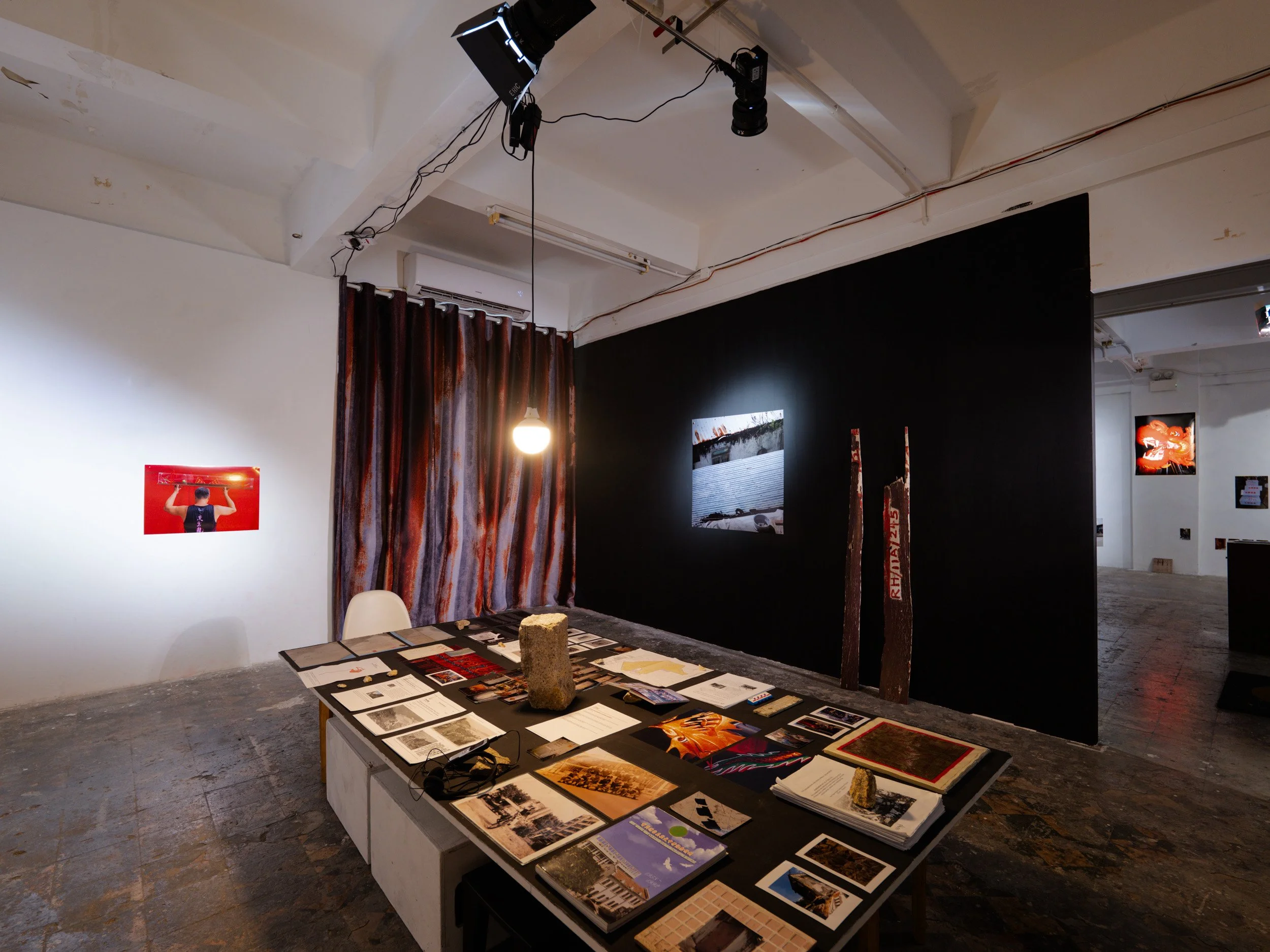
Shek Po Kwan, A Kung Ngam: Stone, 2026. Courtesy of the photographer
石 (Stone) - 1: A solid concretion of earthy or mineral matter of indeterminate size or shape. It can be used in building constructions or taken as a singular unit for other purposes such as demarcation, ornamentation or tool-making. It can be a functional or ritualistic object, continuously appearing in our everyday life. When strong winds sweep across Hong Kong, you can find them anchoring the rooftops of many villages, securing the house together.
石 (Stone) - 2: The foundational material used to construct A Kung Ngam Village (亞公岩村) in Shau Kei Wan (筲箕灣), which was primarily built by Hakka migrants from Guangdong. Employed by the nearby quarry as skilled stonemasons, the villagers supplied Hong Kong with its foundational granite and brought prosperity to the community. The villagers built temples from it, while the shipyards exporting stone doubled as places for dragon boat racing, making the object not only an architectural tool but a communal binding agent in every sense of the word. It provided homes, livelihood and cultural connection to those living in the area.
石 (Stone) - 3: The family name of artist Shek Po Kwan. Born in A Kung Kok (亞公角) in 1988, he has been practicing photography for fifteen years. He came across A Kung Ngam Village while searching for a studio space and chanced upon a unit in the building next door, where he also co-founded the artist-run space EJAR RAGORA. He has nurtured relations with the village’s inhabitants throughout his time there, solidifying links for the past two years. With the upcoming redevelopment of the area, this project honours its community and the material at its core. “Stone” becomes a vessel of personal and cultural significance, a material steeped in the foundations of Hong Kong and its people.
Text by: Amandine Vabre Chau
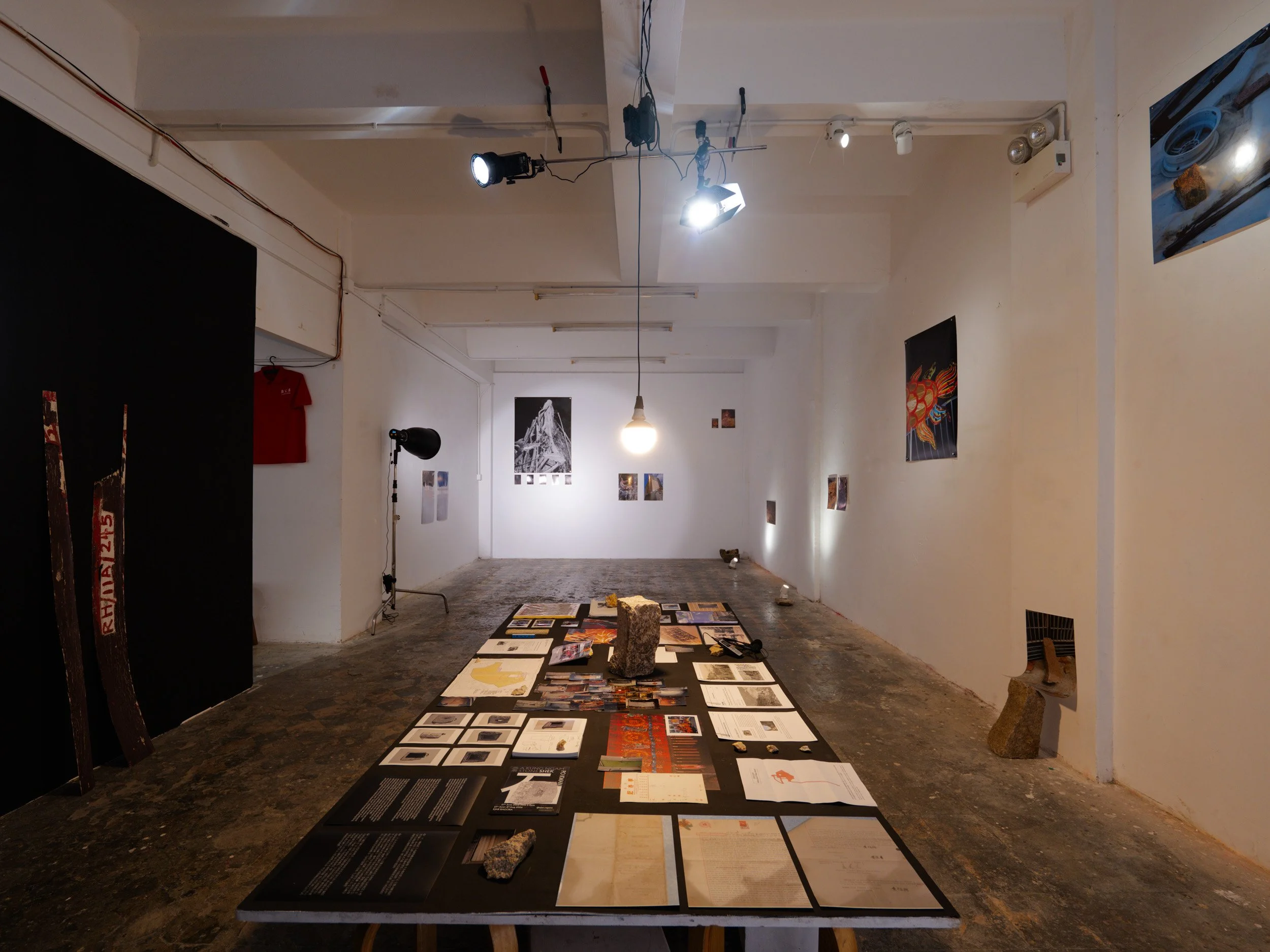
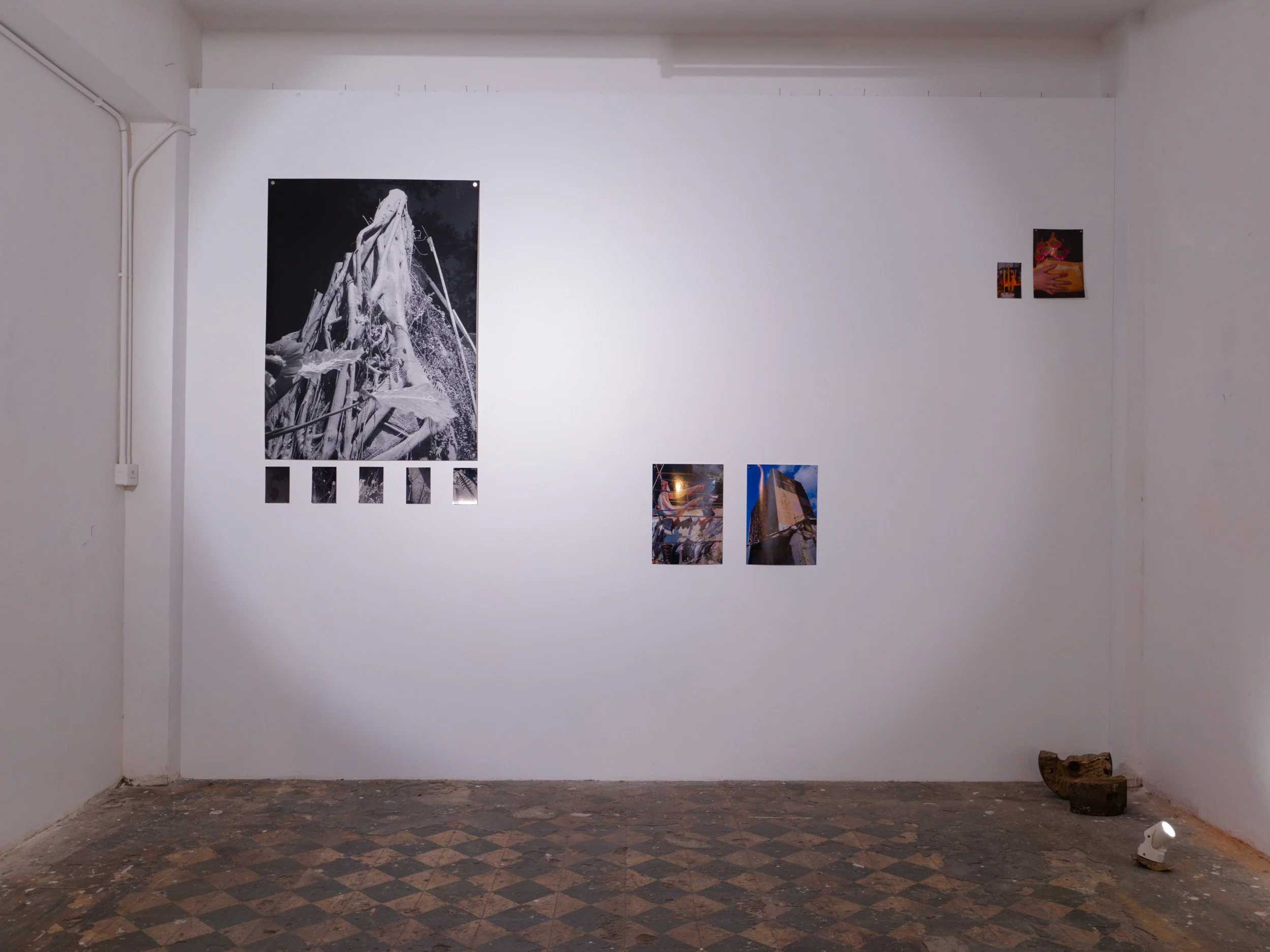
石(一):一種由泥土或礦物構成的凝塊,大小和形狀不定。它既可應用於建築施工,亦可作為劃分邊界、裝飾或製造工具的部件。在日常生活中,這些石塊同時兼具實用與儀式功能。每當強風席捲香港,許多村莊的屋頂便會以石塊壓頂固定,使家園得以穩固。
石(二):在筲箕灣亞公岩村,「石」是構築社區的基本材料。這座村落主要由廣東的客家移民興建,他們受僱於鄰近的石礦場,憑藉精湛的石匠手藝,為早期香港的城市建設提供奠基所需的花崗岩,帶動了社區的繁榮。村民不僅用石頭修築廟宇,那些原本用以運送石材的船廠,更演變為舉辦龍舟競賽的傳統場地。這使得「石」超越了單純的建築工具,在各種意義上成為凝聚社區的媒介,為居民提供了居所、生計與文化聯繫。
石(三):攝影師石寶鈞的姓氏。這位1988年出生於亞公角、擁有15年攝影資歷的創作者,在尋找工作室空間時偶然發現亞公岩村,並在附近進駐、共同創立了藝術空間「EJAR RAGORA」。在駐村期間,他與村內居民培養了關係,並在過去兩年進一步穩固彼此的連結。如今,面對亞公岩村即將重建的命運,本項目旨在向這個社區及其核心材料致敬。對石寶鈞而言,「石」不僅承載著個人與客家文化的雙重意義,更是記錄城市發展與人民生活面貌的重要載體。
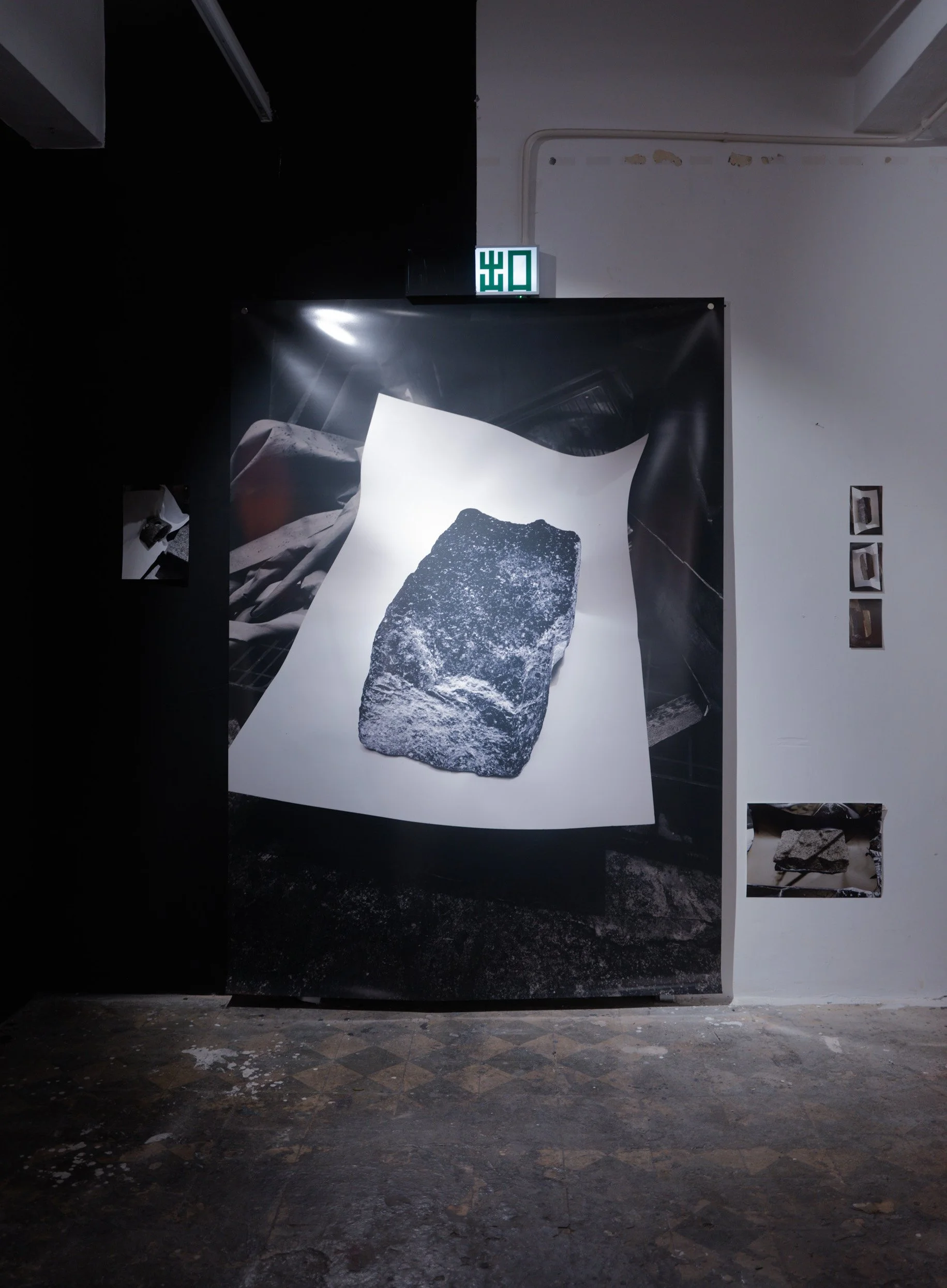
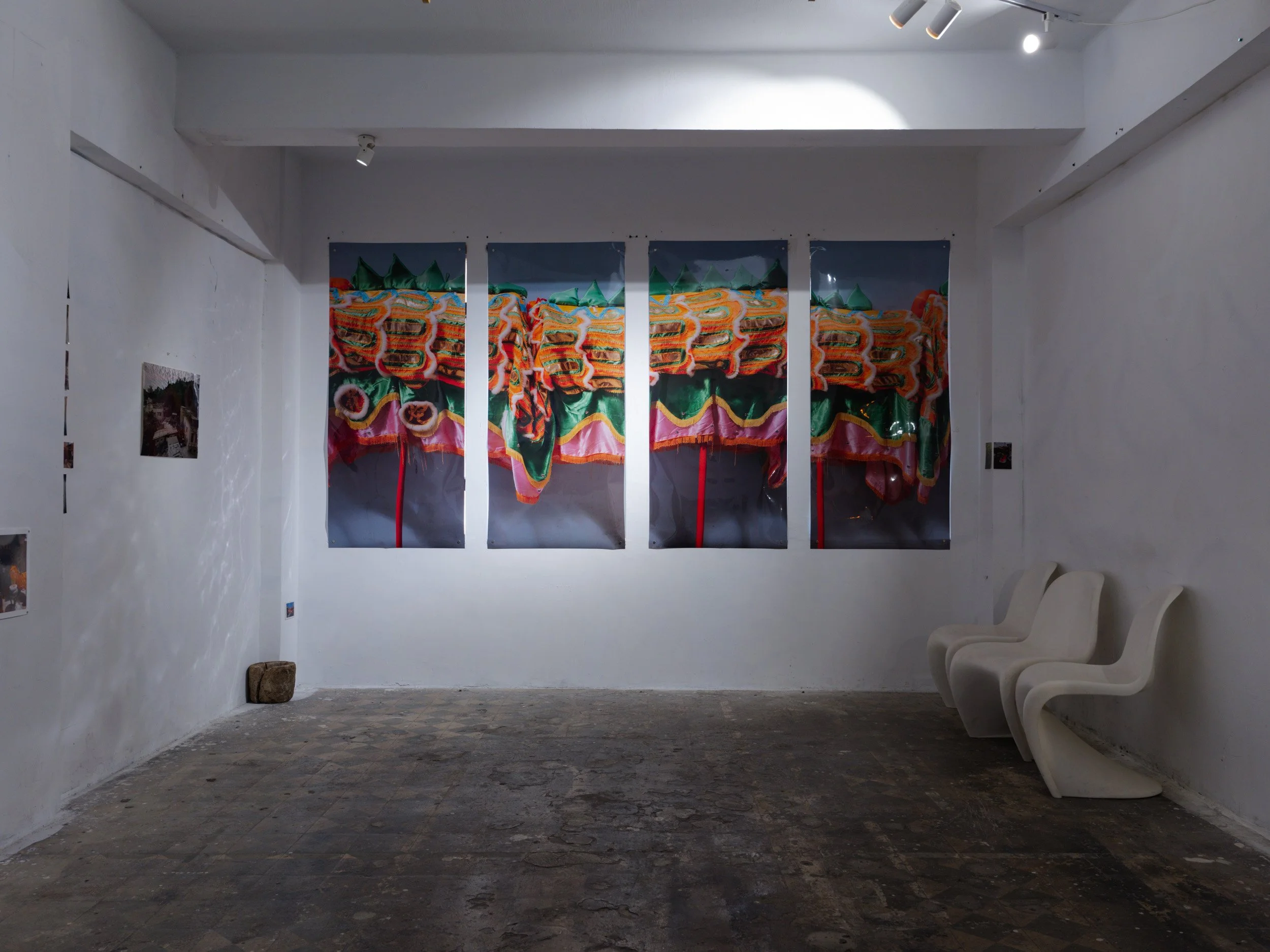
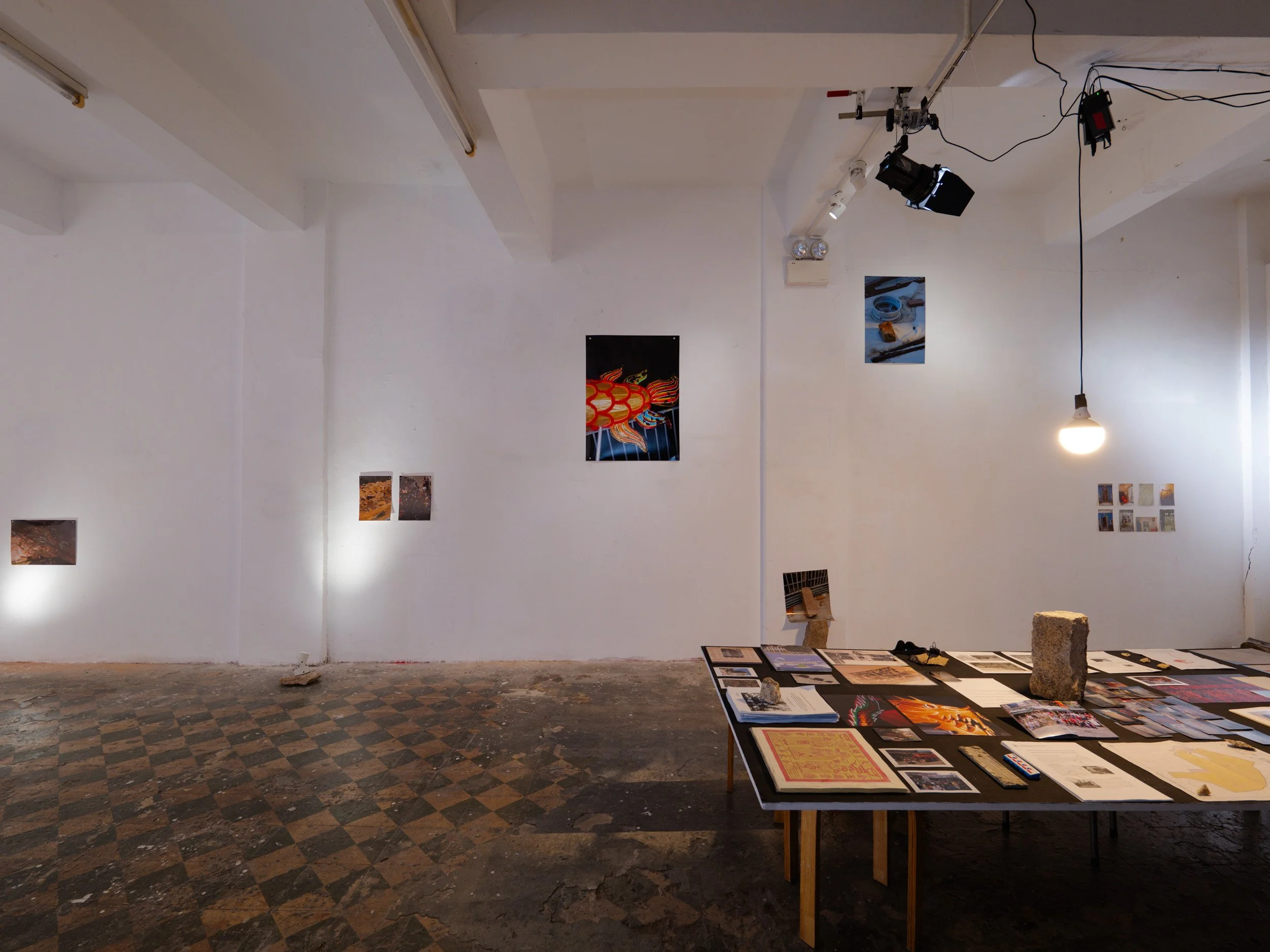
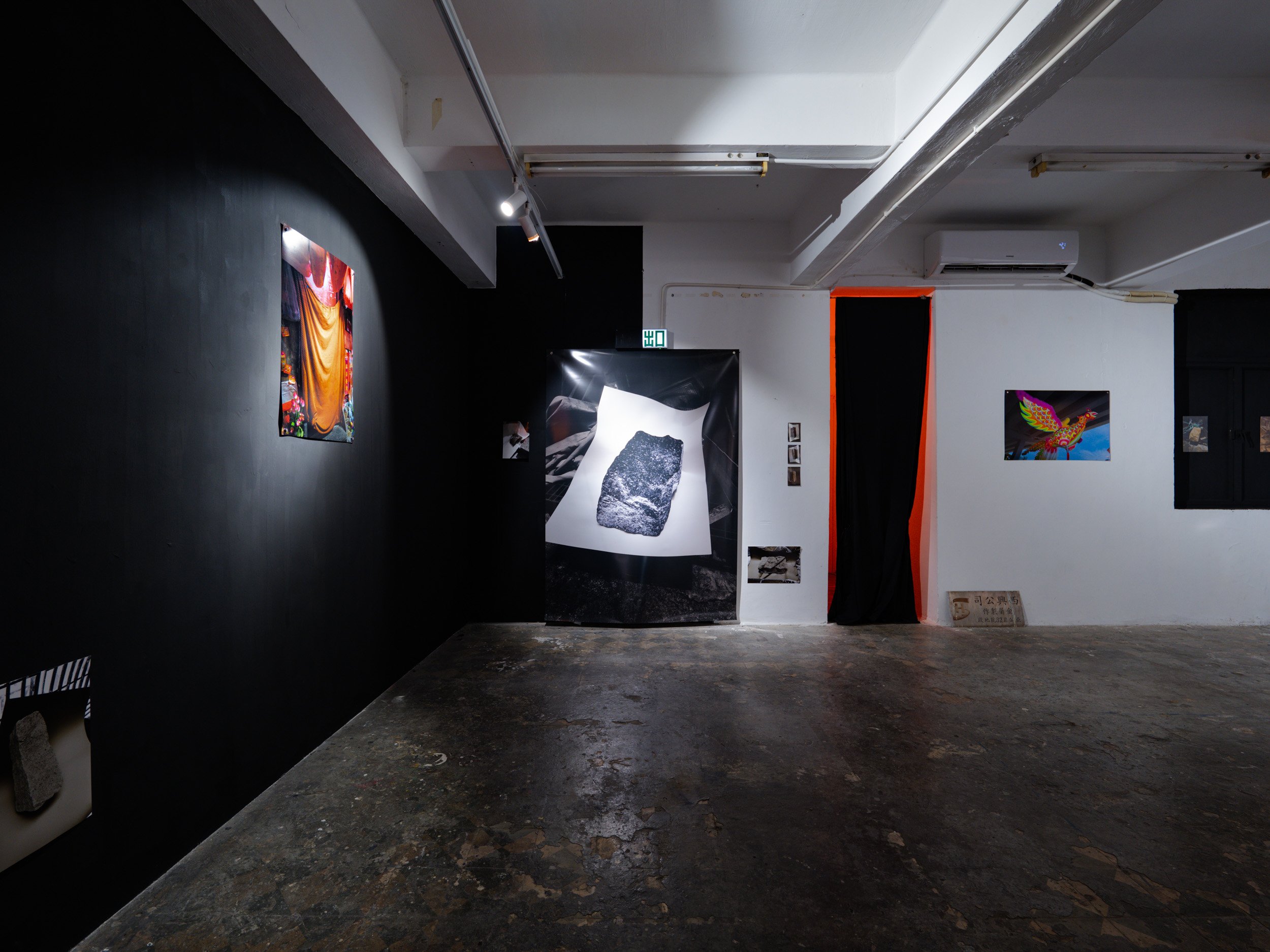
Shek Po Kwan, A Kung Ngam: Stone, 2026. Courtesy of the photographer